Search
NDIS Specialist Disability Accommodation (SDA) provides purpose-built homes designed to support people with very high needs, enabling greater independence, safety, and comfort. NDIS disability accommodation goes beyond just a place to live, it includes tailored design, assistive features, and support services that promote everyday wellbeing. Choosing the right home and provider in Melbourne is crucial, as this decision directly affects quality of life, daily routines, and long-term health. A carefully selected SDA can enhance independence, reduce risks, and offer peace of mind for both participants and families. With growing demand for quality disability accommodation, understanding what to look for is essential. Here are 7 key factors to consider before choosing your SDA in Melbourne.
If you’re asking what is Specialist Disability Accommodation, it refers to housing designed specifically for NDIS participants with extreme functional impairment or very high support needs. These homes include accessible features such as step-free access, wheelchair-friendly layouts, ceiling hoists, reinforced walls and assistive technologies.
It’s important to understand that SDA covers the physical dwelling only. It does not automatically include support services like personal care, support workers, SIL, or therapy. Those supports are funded separately through other parts of your NDIS plan.
Not every NDIS participant is eligible for SDA. SDA funding is only approved for participants who meet strict criteria for extreme functional impairment or very high support needs.
To access ndis specialist disability accommodation, SDA funding must be explicitly included in your NDIS plan. If it’s not already approved, you’ll need to work with your NDIS planner, Local Area Coordinator, or support coordinator to assess eligibility and provide supporting evidence.
Never assume SDA is automatically available. Always confirm before applying for properties.
All SDA dwellings fall under one of four NDIS design categories:
Always confirm that the property meets the design category that matches your needs, especially if your condition may progress. The right features today can prevent major relocations later.
SDA comes in many forms across disability accommodation Melbourne, including:
Some participants prefer full independence, while others thrive in shared environments with companionship and social connection. Think about your lifestyle, privacy needs, mobility requirements, proximity to services, and access to transport before choosing a dwelling type. The right building style should suit both your present and future needs.
Only registered specialist disability accommodation providers can legally offer SDA, and all SDA dwellings must be formally enrolled with the NDIA.
Beyond registration, look at the provider’s track record. Consider:
Speaking with support coordinators and other families can help identify which SDA providers in Melbourne are genuinely reliable and participant-focused.
Even with SDA funding approved, residents are still responsible for:
SDA does not automatically cover personal care, SIL supports, transport, or assistive technology unless those are funded under separate budget categories in your NDIS plan.
Always clarify with the provider exactly what is included in the SDA agreement and what requires additional funding. This avoids financial stress and confusion later.
Disabilities and health needs can change over time. When choosing SDA, think beyond immediate needs and consider:
Your SDA should not just work for today. It should support your independence, dignity, and quality of life long into the future.
Do you want to apply for Specialist Disability Accommodation (SDA) in Melbourne? Then, it is important to understand how funding and eligibility work under the NDIS. SDA is not automatically included in every participant’s plan. This is only approved for people with extreme functional impairment. Or if someone has very high support needs, they can go for it. Eligibility must be supported with evidence. Examples are occupational therapy reports, medical documentation, and functional assessments.
The approval process usually begins during an NDIS planning meeting or review. These assessments demonstrate why SDA is required. These show how it will improve safety, independence, and daily living. If approved, SDA funding is included in the participant’s plan. This covers only the housing component, not personal care or support services.
Once funding is confirmed, participants can work with a support coordinator or provider. This is to explore suitable SDA options in Melbourne.
Choosing the right SDA home in Melbourne involves more than availability. It requires careful consideration of design, location, and future needs. SDA properties fall under Fully Accessible, Robust, Improved Liveability, and High Physical Support. Selecting the correct category ensures the home matches current mobility. It will match behavioural and support requirements.
Location is equally important. A well-positioned SDA home should be close to hospitals. It should be near transport and community services. Thus, it can support independence and daily access needs. This helps participants stay connected and active in their community.
Participants can also consider long-term suitability. This comprises future accessibility & adaptability of the home. This includes personal lifestyle preferences such as privacy or shared living. A well-chosen SDA property supports current needs. This helps in long-term safety, comfort, and independence.
Applying for NDIS Specialist Disability Accommodation (SDA) in Melbourne involves a structured process to ensure participants receive the right support.
Step 1: Assess Your Eligibility
Step 2: Gather Documentation
Step 3: Submit Your Application
Step 4: Review and Approval
Step 5: Move-In Coordination
Sarah is a young woman living with a physical disability in Melbourne. She needed a home that offered full accessibility, safe mobility features, and proximity to her therapy and community services. Comfort and independence were her top priorities, as she wanted a space that felt like her own, not just functional housing.
When searching for NDIS Specialist Disability Accommodation, Sarah focused on providers with strong reputations, transparent processes, and homes designed to meet high support needs. She also looked for accommodations that offered flexibility in daily routines and on-site support availability.
What worked well for Sarah was choosing an NDIS-registered provider that combined well-designed accessible features with reliable support services. The home’s layout, safety measures, and responsive staff allowed her to live confidently and independently, while giving her family peace of mind that her needs were fully supported.
Choosing the right NDIS Specialist Disability Accommodation in Melbourne is about much more than availability. It’s about matching the right design, provider, funding structure, and long-term lifestyle needs.
Before applying, speak with your NDIS planner or support coordinator, review your eligibility carefully, and take time to compare your options. The right decision now can shape your safety, independence and wellbeing for years to come.
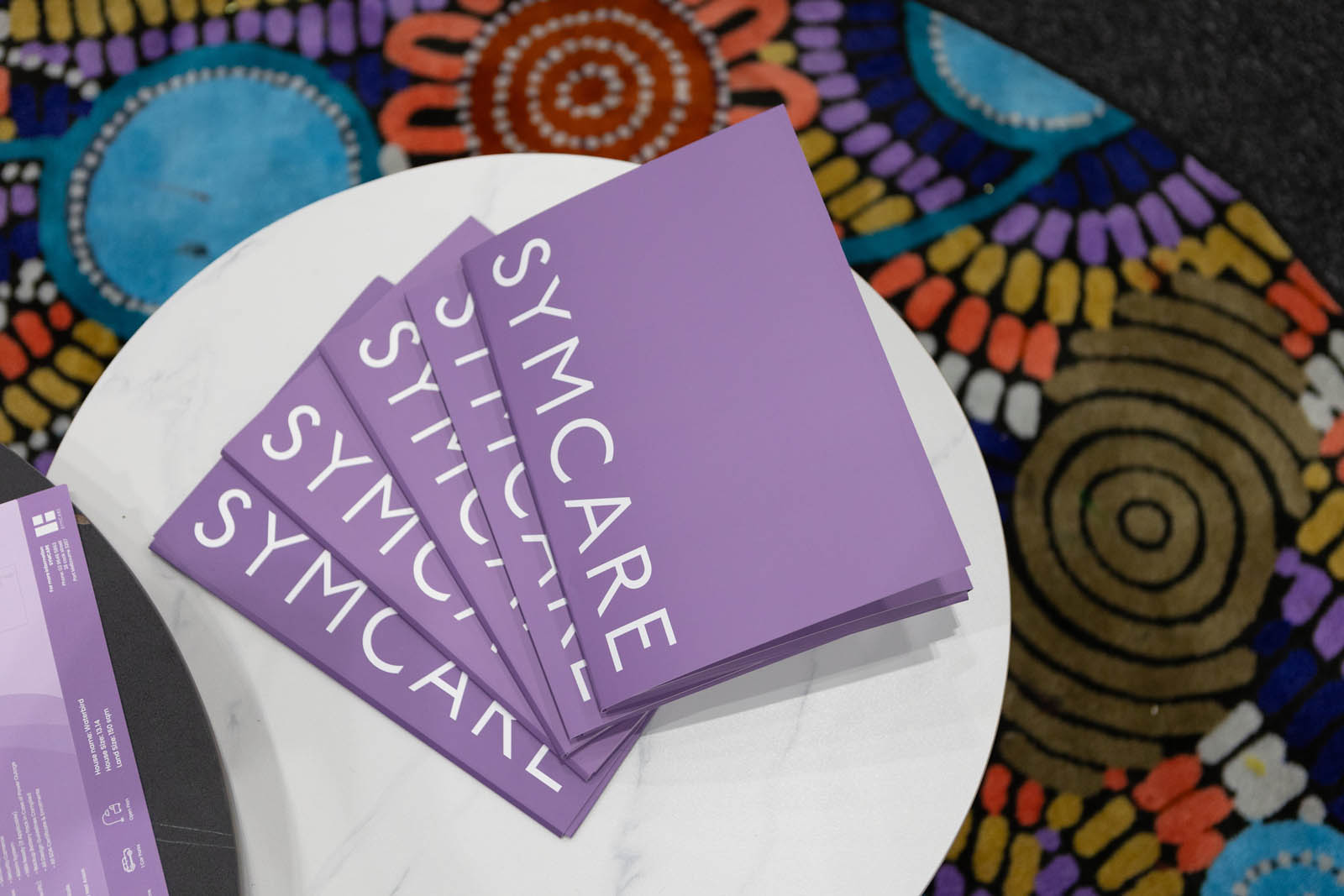
Do you want guidance exploring your SDA options in Melbourne? Then, SymCare is here to help you navigate the process with clarity and confidence.
Ans: The process starts with checking your eligibility during an NDIS planning meeting. If you qualify, SDA funding is added to your plan. You then work with your support coordinator or provider. Thus, you can find suitable SDA properties. You can submit applications and complete assessments before moving in.
Ans: You typically need functional assessments. You may need occupational therapy reports. You may need medical evidence & supporting documentation from your support team. These help show your level of requirement. These justify why SDA funding is important in your NDIS plan.
Ans: Yes. If your circumstances change, you can request a review of your NDIS plan. With approval, you may transition to a more suitable SDA property. This better matches your updated mobility, safety, or support needs.
Ans: Suitable SDA housing may not be immediately available. Your support coordinator can place you on vacancy lists. You can explore alternative providers. Or you can arrange temporary accommodation options. Meanwhile, you can wait for a suitable home.
Ans: Yes. Families, carers, and support coordinators are encouraged to be involved. Their input helps ensure the chosen accommodation meets all requirements.

NDIS Provider Melbourne, NDIS Homes Melbourne, NDIS Services Melbourne, NDIS Accommodation